Table Of Content
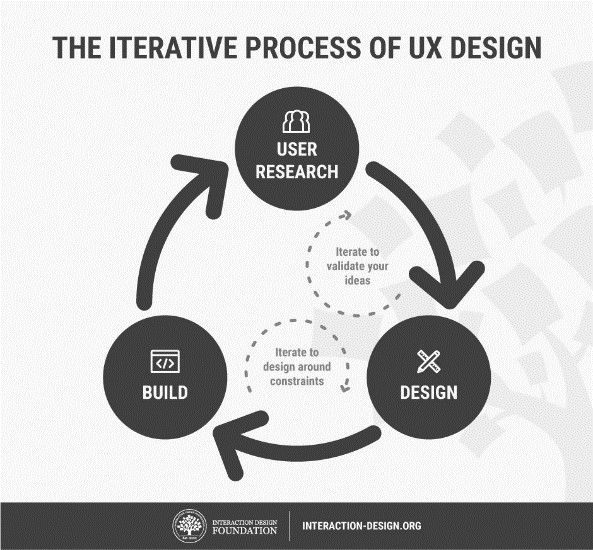
Eventually, these ideas will form the basis of your next iteration as you continue to improve. Research helps you understand your users' behaviors, needs, and motivations, which allows you to make informed decisions when iterating the design process. But one of the best things organizations can do for their designers is make sure they have fellow designers they can collaborate with throughout a project.
More articles on User Experience Design
Unlocking value by integrating UX Design in Development Sprints — a distributed leadership approach! - Celonis
Unlocking value by integrating UX Design in Development Sprints — a distributed leadership approach!.
Posted: Thu, 14 Jan 2021 08:00:00 GMT [source]
We will create pixel-perfect, practical and intuitive design for your product. Design each view/screen state, refine the nav structure, create copy, consider design system, and testing mid-fi prototypes. Ideate on high-level solutions, prototype one concept, validate with users, and create copy. Understand product/project vision, align on desired outcomes, understand project constraints, align on target personas, and identify risk assumptions. Continuous, rapid experimentation is critical to UX design, to speed up the iteration process, and ultimately give users the most valuable experience possible.
Questions about Ux Design Process
Information architecture (IA) involves organizing and structuring the content and functionality of your digital product in a way that is logical and intuitive for users. Think of it as creating a blueprint or a map that guides users through their journey while ensuring they can find what they need easily. User journey maps, on the other hand, depict the step-by-step interactions and experiences of users as they engage with your digital product. They outline the touchpoints, emotions, and goals at each stage of the user’s journey.

Create user personas
You’ll also learn how to leverage your existing skills to successfully transition to and thrive in a new career in UX. In the third and the fourth lessons, you’ll learn about the most common UX design tools and methods. You’ll also practice each of the methods through tailor-made exercises that walk you through the different stages of the design process. User-centered design is an iterative process where you take an understanding of the users and their context as a starting point for all design and development. Since UX design encompasses the entire user journey, it’s a multidisciplinary field–UX designers come from various backgrounds, such as visual design, programming, psychology and interaction design.
As you can see, each step in the UX design process is geared towards ensuring that the products you create are beneficial to your end users and built with their needs in mind. That’s the key to good UX and you can’t create successful products otherwise. This step in the process requires UX testing (or usability testing) on real or representative users. It’s absolutely critical as it gives you the chance to identify problems with your designs and fix them before you go to development, ultimately saving you time, money and disgruntled users.
Your Guide to a Career in UX Design in 2022-23 - Spiceworks News and Insights
Your Guide to a Career in UX Design in 2022-23.
Posted: Thu, 15 Dec 2022 08:00:00 GMT [source]
The owner of the mailing list will then be able to track not only which email gets a higher open rate, but also which users actually go on to buy the product. Looking at the results of the user survey you did in the previous section and the brief you created with our brief builder, try your hand at drawing your first wireframe. Use our Guide To Drawing Your First Wireframe for additional guidance. Wireframes are a great way to get an idea across to your team or to discuss it with developers.
Literature on User Experience (UX) Design
You might know what a “UX designer” does, but what about a “visual designer”, “product designer” or “UX unicorn”? Here, we’ll analyze six common UX roles through how they contribute to the design process and shine a light through the fog of UX roles. Soon, you’ll clearly understand which job role is best for you to aim for. UX designers incorporate feedback from both product managers and developers to refine the product. This iterative process of testing and feedback helps improve the design continuously until it meets all functional requirements and user expectations. Any UX design process is a meticulous journey through several stages.
The role of UX in shaping user interactions and satisfaction goes beyond mere aesthetics. It delves deep into understanding user behavior, anticipating their needs, and crafting a journey that’s seamless and enjoyable. Keeping in mind the above-mentioned points would lead you to be open and explore everything while working on a project. As UX designers we gain more insight about the issue and the users – what we are solving and whom we are solving for. Accepting that your design will never be flawless will help you to take your time learning about the needs of your target market and improving your product slightly.
Without user research, designers miss opportunities to improve a service or product. User research gives us the information we need to develop the product, and we can’t move forward without that information — it’s an essential component of any UX design project. Unlike a more linear UX process, lean UX is focused first and foremost on user testing early and often. The data is then used to identify and create incremental improvements and solutions for a product. However, as you roll up your sleeves and get to work, it's worth remembering that product interfaces aren't static. Designers of all levels can benefit from a solid understanding of the UX design process.
Some UX metrics you should track include task completion, engagement, usability score, and abandonment rate. This data can be collected using tools like heatmaps or analytics software. Decide on a launch date, prepare marketing materials, and coordinate with various teams like development, marketing, sales, and customer support. Give your digital product reliable performance, rich functionality and impeccable look.
Lower error rates and shorter completion times typically suggest a more intuitive user interface. When you evaluate the success of a UX design process, you need several key metrics and feedback mechanisms to ensure the product meets user needs and business goals effectively. Through these collaborative efforts, UX designers, developers, and product managers strive to create products that are not only functional but also provide a delightful user experience. Google Drive or Confluence can host project files where all team members can access and contribute to UX research, design specifications, and user feedback.
UX design aims to boost product usability, satisfaction, and usefulness. UX design is the process of creating products and services with users in mind. That means developing products that are simple to use, solve real-world problems, and provide meaningful experiences.
In an era where users transition between devices seamlessly, maintaining uniformity in design across platforms becomes a paramount focus of the UX Design Process. It’s no longer enough for a design to just ‘work’; it should provide a coherent experience whether viewed on a smartphone, tablet, or desktop. Achieving consensus without compromising on the user-centric essence of the design requires adept communication, flexibility, and a deep understanding of both the business and user objectives.
Learn more in this complete guide to prototyping and discover the prototyping tools that UX designers use at this stage in the UX design process. Remote user testing is an option for a UX design team when it’s not possible to reach users from the product’s target audience in a real-life setting. For example, they might be in a place (a tropical island for example) that is hard or expensive for the UX team to reach, or the participants are difficult to accommodate or schedule. Like User Research, Testing is a fundamental part of the UX designer’s job and a core part of the overall UX design process. UX designers test because it allows them to improve upon the original product or site design and to see if the changes they made during the ‘design’ phase stand up to scrutiny.
From user research to development, learn how to create exceptional user experiences. The “empathize” stage of the design thinking process involves learning about customers’ challenges. This stage is focused on gaining a deep understanding of users’ needs, emotions, and behaviors in order to develop meaningful solutions. Next, you’ll focus on developing ideas quickly turned into prototypes and tested on real users. Inherent to the Design Thinking process is the early and frequent testing of your solutions; this way, you can gather feedback and make any necessary changes long before the product is developed. While it might seem like an obvious (or even boring) checkbox exercise, consistency plays a crucial role in UI design.
It’s all about finding the right tools for your project and design style, with the features and functionalities that make your life easier. Don’t forget to explore integrations and collaboration features that help you work better with UX designers, developers, and other stakeholders. No two UI design processes look the same—and as a UI designer, it’s important to tailor the UI design process to your specific needs so you can create a better final design.


No comments:
Post a Comment